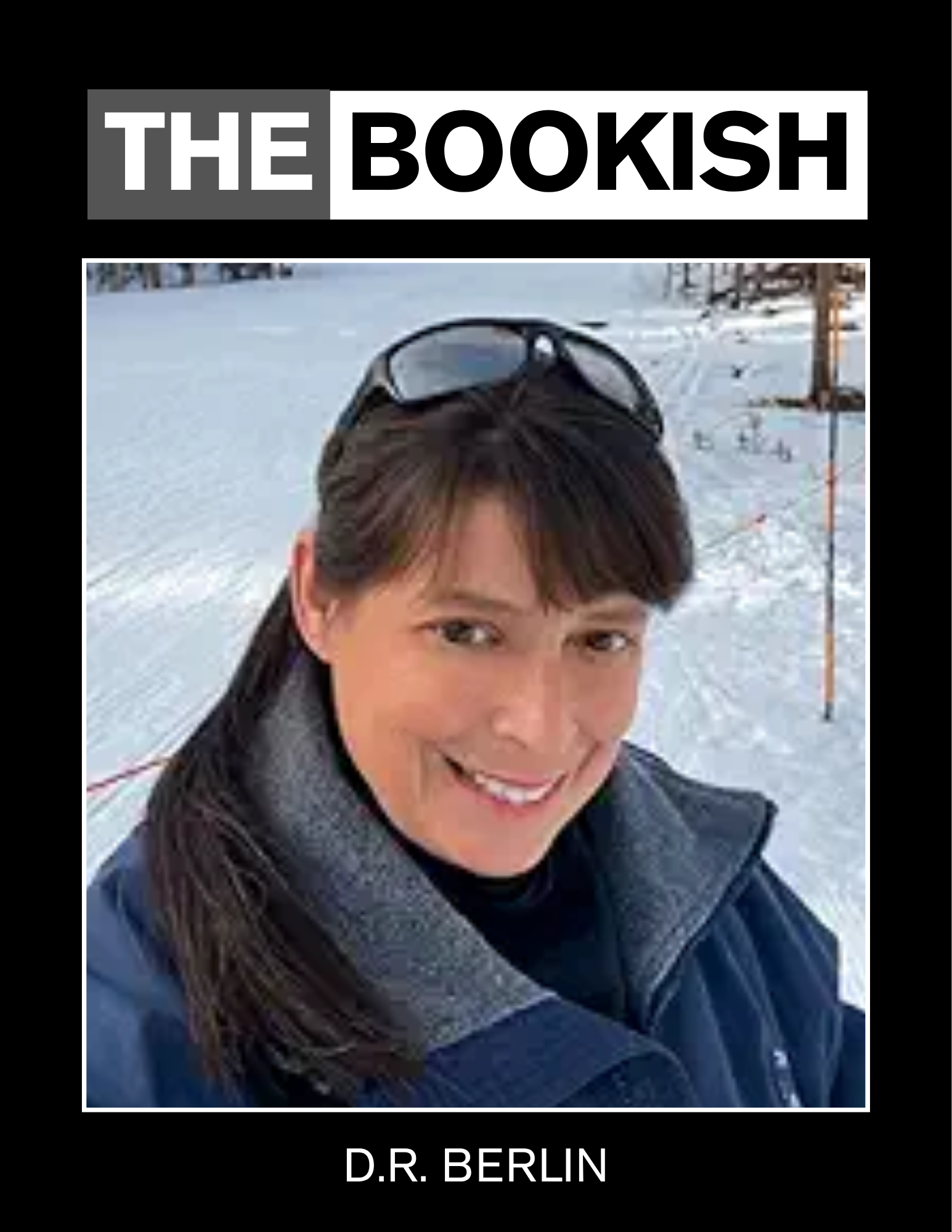
With the release of The Third Estate: Devil’s Tango, D.R. Berlin continues to expand a suspense series that blends espionage, medical realism, and high-stakes intrigue. Berlin is an award-winning author whose professional background includes military service and medicine, experiences reflected in the technical detail and disciplined pacing of her fiction. Her earlier novel has received multiple recognition. In this interview, the conversation centers on The Third Estate: Devil’s Tango—its inspiration, characters, themes, creative process, and the lessons learned while developing the latest installment of the series. Readers are invited to discover how Berlin approaches suspense writing, balances authenticity with imagination, and hopes her stories will resonate with audiences.
Editor’s Note: This interview discusses themes of institutional power, loyalty, and moral decision-making within the fictional context of a suspense novel. The interviewee’s reflections on these themes represent creative perspectives related to the work and should be understood as part of the author’s storytelling approach.
D.R., thank you for taking the time to speak with us. To begin, would you introduce yourself to our readers, tell us about your background, what you do, and what you hope your work contributes to readers?
Thank you for inviting me. I am an award-winning author, general surgeon, and U.S. Army veteran. Each part of my background shapes the stories I write. Surgery taught me precision, discipline, and how people respond when the margin for error disappears. The military deepened my understanding of duty, leadership, sacrifice, and the complicated distance between following orders and doing what is right.
Writing allows me to bring those worlds together. I create thrillers driven by suspense, moral conflict, and characters forced to make difficult choices under pressure. I hope my novels entertain readers, but I also want them to look beneath the surface, question what they have been told, and consider how courage, loyalty, and integrity reveal themselves when the consequences become personal.
The Third Estate: Devil’s Tango places readers in a fast-moving world of espionage, medical science, and hidden conspiracies. What first inspired this particular story, and what made it the right next chapter in your series?
The story began with a question: What happens when an ordinary professional encounters a few whispered words that powerful people will kill to conceal?
I wanted to place Sophie in an environment where she felt capable and secure, then strip that certainty away. A trauma center offered the perfect setting. Medicine demands evidence, discipline, and rapid decisions, but the conspiracy surrounding her operates through missing evidence, manipulated perceptions, and people who never identify themselves.
This novel became the right continuation of the series because Sophie could no longer remain protected by the world she understood. The secrets surrounding the Professor, the Third Estate, and Kai Lovac had waited long enough. Their separate paths needed to collide, and once they did, neither character could return to the life they had before.
Sophie Allard and Kai Lovac each bring very different strengths to the story. What interested you most about developing these characters and bringing their journeys together?
Sophie and Lovac interested me because they appear to be opposites, yet the same fractures run beneath their defenses.
Sophie believes in service, rules, medicine, and protecting life. Lovac survives through secrecy, tradecraft, and calculated violence. To him, it’s just business. To Sophie, it’s personal.
She talks through problems. He considers conversation an unnecessary security risk. She wants evidence before making a judgment, although impatience sometimes sends her charging ahead of the facts. He trusts observation, instinct, and the exits he mapped before anyone else entered the room.
Bringing them together created constant friction, but it also exposed what each lacked. Sophie challenges the emotional distance Lovac mistakes for control. Lovac forces Sophie to question whether rules deserve obedience when the people enforcing them have corrupted the truth.
Their relationship develops through resistance, reluctant respect, and choices neither could make alone.
Authenticity is a noticeable feature of The Third Estate: Devil’s Tango. How do you balance technical accuracy with storytelling so that the novel remains both believable and engaging?
Accuracy establishes trust, but the technical material must serve the character and the conflict.
I begin by understanding the medicine, military procedure, equipment, or tactical problem well enough to know which details matter. Then I place those details under pressure.
In an operating room, readers do not need a textbook lecture. They need to understand what Sophie sees, what is failing, what decision must be made, and what happens if the team loses another thirty seconds.
The same principle applies to aircraft, weapons, surveillance, and cryptology. Procedure should create tension rather than interrupt it.
I keep the reader grounded through precise sensory detail and clear cause and effect, then return the focus to the human cost. Technical accuracy makes the scene believable. Emotion makes it matter.
Trust, resilience, and difficult choices appear throughout the novel. Which of these themes felt most meaningful to explore while writing this book, and why?
Trust became the central pressure point because every major character has a reason to withhold it.
Sophie has followed rules most of her life, only to discover that institutions, friends, and mentors may have shaped the truth around her. Lovac trusts almost no one because experience taught him that loyalty creates vulnerabilities other people can exploit.
Yet neither can survive alone. I wanted to explore trust not as blind faith, but as a decision made with full knowledge of the risk.
Resilience matters, but endurance without trust can become isolation. Difficult choices matter, but choices made without understanding another person can become cruelty.
The most meaningful moments occur when Sophie and Lovac have enough evidence to walk away from each other, yet choose to remain because something deeper than certainty tells them they must.
Every novel presents unique creative challenges. Looking specifically at The Third Estate: Devil’s Tango, what aspects of writing this book stretched or surprised you as an author?
The greatest challenge involved controlling the pace while allowing the emotional consequences to land.
The novel moves through trauma bays, assassinations, hidden facilities, coded messages, military installations, and shifting alliances. Action alone, however, does not create suspense. Readers must understand what each discovery costs the characters.
I had to give Sophie space to process betrayal without slowing the pursuit and allow Lovac’s restraint to reveal emotion without turning him into someone he is not.
Their voices required different rhythms, and their partnership needed to develop through earned moments rather than convenience. I was surprised by how much vulnerability emerged from Lovac’s story and how often Sophie’s compassion became more dangerous than a weapon.
The characters kept challenging the direction of the plot, which usually meant they had found the more honest path.
Without revealing spoilers, what do you hope readers notice about the world and relationships you’ve continued to build in The Third Estate series through this latest installment?
I hope readers notice that nothing in this world exists in isolation. A decision made years earlier can return as a threat, a debt, or an unexpected act of loyalty.
Institutions that appear separate may share hidden channels. Characters who seem trustworthy may conceal divided allegiances, while people labeled as enemies may make the only honorable choice available.
I also hope readers see the relationships deepening beneath the suspense. Sophie is no longer reacting only to what happened to her family. She is deciding who she intends to become. Lovac is no longer able to pretend every loss belongs in a professional ledger.
The series continues to widen, but its heart remains personal: who we trust, what we owe one another, and how far we will go to protect someone once walking away becomes easier.
Your writing journey has reached several milestones. Could you share some of the accomplishments, recognitions, or memorable moments that have encouraged you along the way, and what those experiences have meant to you?
Becoming an award-winning author has been deeply meaningful, particularly because writing began as another demanding discipline layered onto a career in surgery and a life shaped by military service.
Recognition from literary organizations and the Florida writing community reinforced that readers connected with the stories, characters, and questions I placed on the page.
Attending events associated with the Florida Book Awards and meeting authors, librarians, and readers reminded me that books create communities long after the writer finishes the final sentence.
Some of the most memorable moments have been quieter: a reader telling me she stayed awake because she needed to know what happened, someone recognizing a character’s emotional struggle, or a veteran or medical professional saying a scene felt authentic.
Awards encourage me, but those individual connections give the work its purpose.
Readers often finish thrillers thinking about more than the mystery itself. What conversations or reflections do you hope The Third Estate: Devil’s Tango inspires after readers turn the final page?
I hope readers question how power operates when it no longer needs to announce itself.
The Third Estate does not depend on one villain standing in a dark room issuing orders. It survives through access, influence, compromise, and ordinary people convincing themselves that one small concession will not matter.
I also hope readers think about the difference between loyalty and obedience. Loyalty can require defiance. Protection can become control. A respected institution can contain honorable people while still causing harm.
Most of all, I want readers to consider how identity changes when the structures that once defined us collapse. Sophie must decide whether she remains the person others designed or becomes the person her choices reveal.
That question extends far beyond the mystery.
For aspiring writers interested in creating suspense novels with realistic settings and memorable characters, what practical advice would you offer from your own experience writing The Third Estate: Devil’s Tango?
Begin with character pressure, not spectacle. Know what your protagonist wants, what they fear, and what they refuse to admit. Then create an obstacle that attacks all three.
Research until you understand the setting, profession, or procedure, but resist placing everything you learned on the page. Select the details that increase danger, force a decision, or expose character.
Give every person in the scene an agenda, and place those agendas in conflict. Avoid rescuing characters through coincidence. Let their choices create consequences, then make those consequences worse.
Vary the rhythm. Fast scenes need clarity, not confusion. Quiet scenes still need tension.
Most important, protect the character’s emotional truth. Readers may forgive an unfamiliar technical detail, but they recognize false emotion immediately.
If you were to write your own bio, what would you say? And as your work evolves, what kind of impact do you hope it has?
D.R. Berlin is an award-winning author, general surgeon, and U.S. Army veteran who writes intelligent, character-driven thrillers blending medical realism, military precision, espionage, and psychological suspense.
Her novels explore loyalty, identity, moral ambiguity, and the choices people make when truth carries a body count.
Through cinematic settings, complex relationships, and ordinary people confronting extraordinary danger, she creates stories designed to entertain while challenging readers to question appearances, institutions, and easy answers.
As my work evolves, I hope to continue building worlds readers can enter completely and characters they remember after the danger passes. The greatest impact I could have would be to leave readers more curious, more empathetic, and less willing to accept that the truth is always what someone in authority tells them it is.
Share Your Insights
Feel free to share your answers in the comments below:
- What part of this post resonated with you the most, and why?
- How does this post connect with your own journey?
- Do you have any other bookish insights you’d like to share?
Disclaimer
The content in The Bookish Magazine is for general informational and literary purposes only and does not constitute professional advice. Opinions expressed are those of the authors and do not necessarily reflect the views of the publication. For full details, please read our complete disclaimer, terms, and policies on our website.
Helpful Shortcuts
- About
- Books and Blogs
- Contact Us
- Disclaimer, Privacy Policy, and Terms of Service
- Editorial Guidelines
- Magazine
- Submissions
- The Bookish Awards
- Voluntary Contribution Policy


