Note: The interview touches on themes of kidnapping, family struggles, and wartime challenges, which may be distressing for some readers.
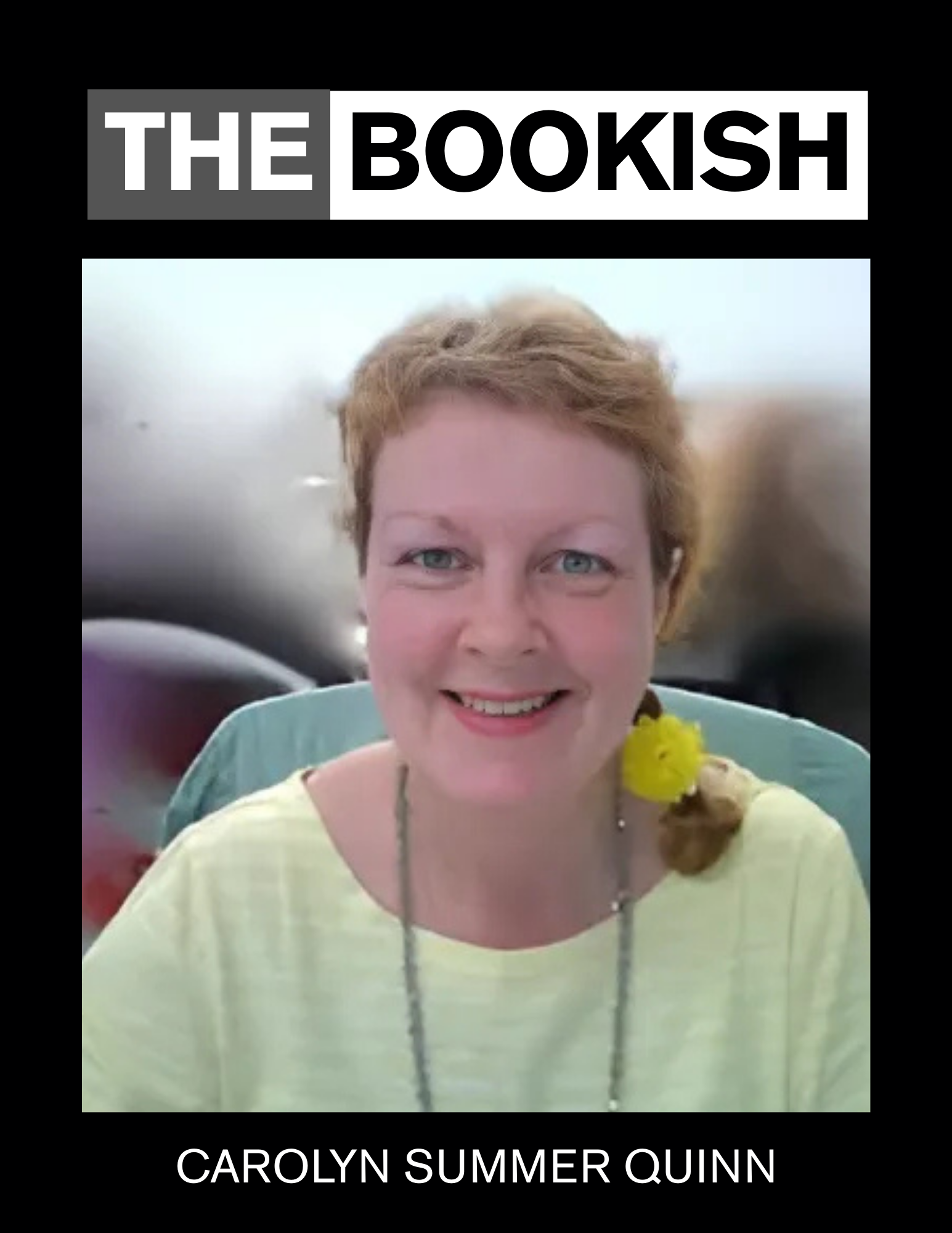
This interview looks into how Carolyn Summer Quinn’s historical fiction explores universal human experiences. We discuss her book, “Vanished on the Vaudeville Circuit,” and how it reflects themes of family, perseverance, and the human condition.
Carolyn, thank you for joining us. Could you please introduce yourself and tell us about your background and what led you to become a writer?
I’m very happy to be here! My name is Carolyn Summer Quinn and I’m the Author of 18 books. I’m the daughter of two teachers. My dad taught English and I have been writing since I was a child because I love it!
What drew you to set a story in the vaudeville era, and what central themes were you aiming to explore?
First of all I adore that whole era! It always struck me as a lot of fun to be a performer traveling from one venue to another all across the country and back again. I already knew a lot about the time period from having written a nonfiction book called MAMA ROSE’S TURN, which is the first full biography of the mother of Gypsy Rose Lee and Baby June Hovick that was immortalized in the Broadway musical GYPSY. Vaudeville was predominant in the early part of the last century. There was a tendency back then for people, especially immigrants or their children, to reinvent themselves, so I wanted to work with that. The main character, August, was really born Avram, is a child of immigrants, and comes from the Lower East Side of New York. In the book, August’s youngest daughter is kidnapped. The vaudeville setting with a lot of performers who are not what they appear to be heightened the suspense. Plus they’re all traveling the country, and that added a lot to this narrative since it would make it more difficult for a father to locate a missing child when he’s constantly on the move.
Your novel looks into family dynamics and personal struggles. How do you approach writing about such universal human experiences?
I think a story like this one, where a decent father and his savvy little older daughter are desperate to find out who kidnapped the younger one, would resonate with anybody, and from any time period. The time period may be a whole lot different from the world of today but it’s the mystery that holds the book together.
Can you discuss the research process you undertook to authentically depict the vaudeville circuit and its impact on performers’ lives?
I already knew so much about it that it wasn’t too difficult for me to put the book together. I did have to double-check and verify a few details to make sure I got them right. Even when I’m pretty sure about something to do with the time period I try to fact-check.
How do you ensure that your characters’ journeys resonate with readers from diverse backgrounds?
If an author zeroes in on a universal problem – in this case, what happened to a missing child – it’s easy. Anyone of any background would resonate with wanting an answer to a question like that. The trick is to find a mystery that can tie it all together, whether it’s 1925 or 2025.
“Vanished on the Vaudeville Circuit” received various accolades. What does having your book recognized mean to you as an author?
I was so THRILLED! As a matter of fact, I was jumping up in down over it, so happy! It means people appreciate my work and that’s the best part of the whole thing.
Have any readers shared how your portrayal of perseverance and family has impacted their own perspectives?
Yes, they have. People tell me they never realized this or that until they read it in one of my books. But the best feedback I ever get is whenever someone says they read one of my mysteries and couldn’t figure out whodunit!
In what ways do you believe historical fiction can contribute to our understanding of contemporary human issues?
Human issues have a universality to them. I feel it’s good sometimes for people to see that those who came before us had to overcome enormous challenges, many of them bigger than what we have to face. Four of my books, though not this one, were set during World War II, and just look at what that generation had to go through. It can give people hope to know it’s not so bad in comparison today!
Are there particular historical figures or events that have inspired your storytelling?
I love to read about entertainers during the early part of the last century and also about civilians during wartime. They’ve always got a fascinating story to tell.
What upcoming projects are you working on, and how do they continue your exploration of the human experience through historical narratives?
I’m playing around with the idea of a soldier from World War I this time, not World War II, who has a mystery to solve. There’s another mystery book I have in mind about a wedding where the divorced parents of the bride are forever battling. It’s going to be quite a ride in both instances!
Share Your Insights
Feel free to share your answers in the comments below:
- What part of this post resonated with you the most, and why?
- How does this post connect with your own journey?
- Do you have any other bookish insights you’d like to share?
Disclaimer
The content in The Bookish Magazine is for general informational and literary purposes only and does not constitute professional advice. Opinions expressed are those of the authors and do not necessarily reflect the views of the publication. For full details, please read our complete disclaimer, terms, and policies on our website.
Helpful Shortcuts
- About
- Books and Blogs
- Contact Us
- Disclaimer, Privacy Policy, and Terms of Service
- Editorial Guidelines
- Magazine
- Submissions
- The Bookish Awards
- Voluntary Contribution Policy


